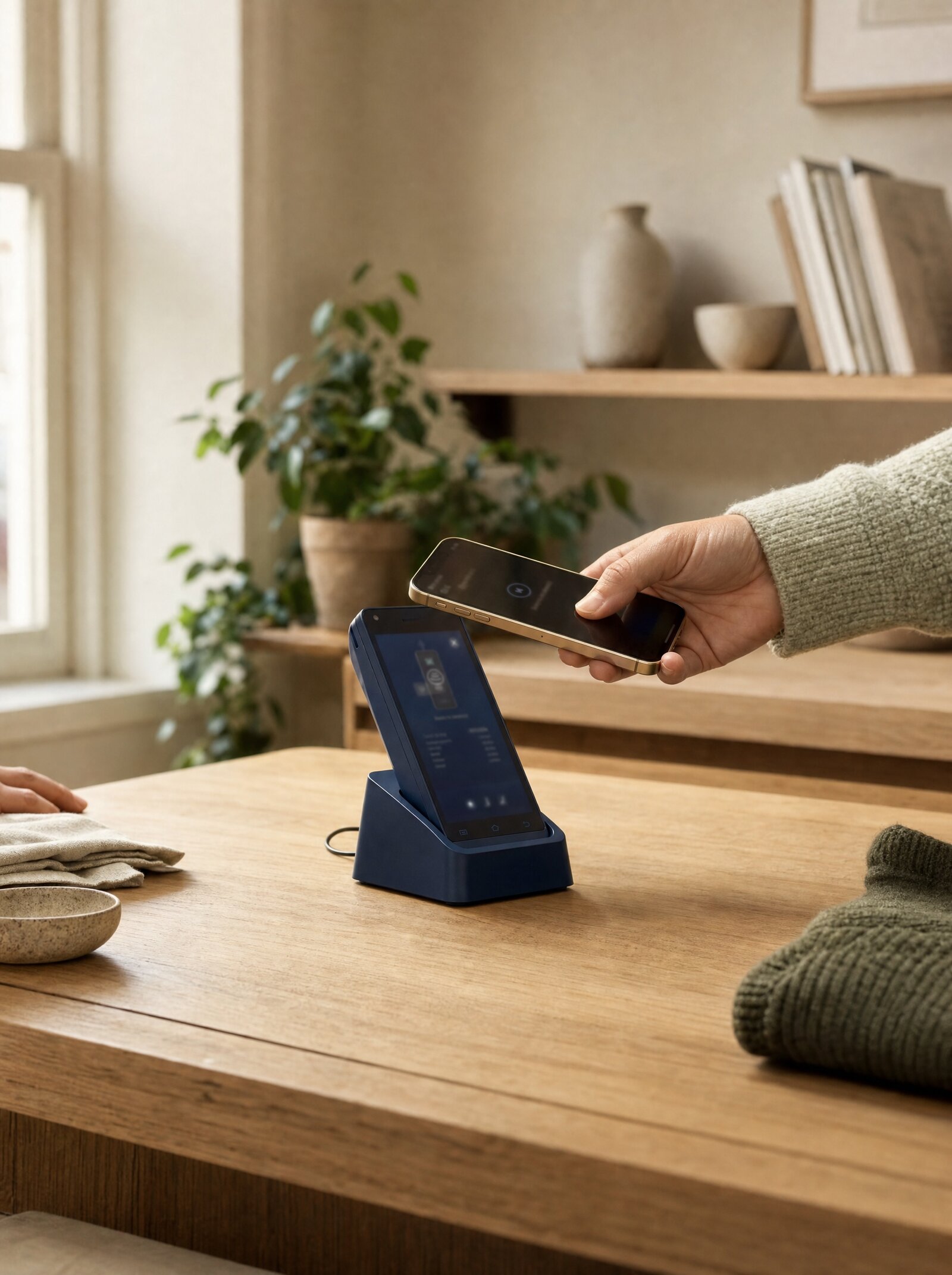
One Token, Every Channel
Network-level tokenization replaces sensitive card data with secure tokens that work everywhere. Save a card online, use it at a terminal. Set up a subscription, cards auto-update when replaced. Reduce PCI scope while enabling powerful payment experiences.
Network Tokens, Not Just Vault Tokens
Basic tokenization stores cards in a vault and gives you a reference. Network tokenization goes further: Visa and Mastercard themselves provision the token, with built-in benefits like automatic card updates and higher authorization rates.
When a customer's card expires or gets replaced, network tokens automatically update. No failed subscription payments. No asking customers to re-enter cards. The token just keeps working.
The cross-channel advantage
Most payment providers create separate tokens for online and in-store. Surfboard's unified tokenization means the same token works everywhere. Customer saves their card on your website, then uses it seamlessly at your physical location. True omni-channel payment methods.
How Tokenization Works
Card data captured
Network token created
                          {
  "token": "tok_abc123xyz",
  "type": "network_token",
  "card": {
    "brand": "visa",
    "last4": "4242",
    "expiry": "12/27"
  }
}
Use token everywhere
Powerful token capabilities
Network tokenization enables features that basic card storage can't match. Here's what becomes possible.
1. Network-Level Tokenization
The gold standard in card security:
- Visa Token Service (VTS)
- Mastercard Digital Enablement Service (MDES)
- Scheme-provisioned tokens
- Automatic card updates
Benefits:
- Higher authorization rates
- Cards update automatically when replaced
- Reduced fraud liability
2. Cross-Channel Token Reuse
One token works everywhere:
- Customer saves card online
- Same token recognized at terminal
- Works for subscriptions
- Valid across all devices
True unified commerce: the same stored payment method works in every context.
3. Reduced PCI Scope
Tokens instead of card numbers:
- No card data in your systems
- Simplified PCI compliance
- Reduced audit scope
- Lower security overhead
Handle payments without touching sensitive card data. Surfboard manages the secure storage.
4. Subscription & Recurring
Perfect for recurring billing:
- Store once, charge repeatedly
- MIT (Merchant Initiated Transaction) support
- Automatic card updates via network tokens
- Reduced involuntary churn
Cards expire but network tokens auto-update. Subscriptions continue without customer action.
5. Card-on-File Management
Customer controls their cards:
- Multiple cards per customer
- Default payment method selection
- Easy card removal
- Clear last4 display
Give customers visibility and control over their stored payment methods.
6. Identification Integration
Tokens power recognition:
- Card tap returns persistent token
- Match to known customers instantly
- Enable pre-payment identity flows
- Same token online and in-store
Tokenization is the foundation that makes card-based Identification possible.
Why network tokens matter
Network tokens are trusted by issuers. More approvals.
Cards replaced? Tokens auto-update. No customer action.
Your systems never see or store actual card numbers.
Same token works online, in-store, and for subscriptions.
Foundation for Identification
Our Identification product is built on tokenization. When a customer taps their card at a terminal, Surfboard returns the same persistent token they have online. This enables powerful recognition flows: verify ticket purchases, check loyalty status, apply entitlements, all from a simple card tap.
Tokenization makes the physical-digital bridge possible.
Start storing cards securely
Our documentation covers token creation, storage, retrieval, and usage patterns for subscriptions and cross-channel payments.
                            // Create a token from card data
POST /tokens
{
  "customerId": "cus_abc123",
  "card": {
    "number": "4242424242424242",
    "expMonth": 12,
    "expYear": 2027,
    "cvc": "123"
  },
  "type": "network_token"
}

// Response
{
  "id": "tok_xyz789",
  "type": "network_token",
  "card": {
    "brand": "visa",
    "last4": "4242"
  }
}
Build it yourself
Step-by-step developer guides for everything on this page.
Implement subscription billing and recurring charges using tokenization, recurring payment configuration, and Merchant Initiated Transactions.
Read guide Online · GuideActivate, deactivate, and list payment methods for a merchant. Manage card, Swish, Klarna, AMEX, Vipps, MobilePay, and more via the API or Partner Portal.
Read guide Online · GuideLearn how to create orders with line items, tax, customer details, and control functions. The starting point for accepting payments with the Surfboard API.
Read guide Online · GuideProcess online payments entirely from your backend with Merchant Initiated Transactions. Full control over recurring payments, subscriptions, and tokenized card flows.
Read guide